






Connecting across continents can feel like a complex task, especially when you need to make an important call from Spain to Brazil. Whether you’re reaching out to family, conducting business, or simply catching up with a friend, understanding the correct dialing procedure is crucial. This guide will walk you through every step, ensuring your call reaches its destination without a hitch. We’ll cover everything from dialing codes to time zones, and introduce you to smart solutions like Telfon that make international communication effortless.
Brazil, a vibrant country rich in culture and opportunity, is home to a significant number of expatriates and boasts a growing economy that attracts businesses worldwide. Spain, with its deep historical ties and cultural exchange, often finds itself needing direct communication links to this South American giant. Successfully managing international calls from Spain to Brazil requires attention to detail, but it doesn’t have to be a headache. For more general information about international dialing, you can refer to resources like Wikipedia’s article on international direct dialing.
This guide aims to simplify the process of how to call Brazil from Spain, making sure you feel confident and prepared for your next conversation.
Bridging the Distance: Connecting Spain and Brazil
Many people wonder about the easiest and most affordable way to call Brazil from Spain. Traditional international calling methods can often be costly and confusing, involving multiple codes and potential hidden fees. However, modern technology offers simpler alternatives.
Our detailed breakdown will cover all the necessary information, from country codes to choosing the best time to call. We’ll also explore how a virtual phone calling app like Telfon can significantly streamline your communication with Brazil, offering a reliable and cost-effective solution for both individuals and businesses. Say goodbye to international calling frustrations and hello to seamless conversations.
Understanding the Basics of International Calling
Making an international call involves a specific sequence of numbers. You need to tell your phone system that you are calling outside your current country, then specify the country you are calling, and finally the local number. This sequence ensures your call routes correctly across global networks.
What is the international dialing code for Spain to Brazil? The international access code for Spain starts the process, followed by Brazil’s country code. Knowing these codes is your first step to a successful connection.
The Essential Dialing Sequence: Spain to Brazil
To successfully make an international call from Spain to Brazil, you must follow a standard dialing sequence. This sequence informs the telecommunications network that you are initiating an overseas call and directs it to the correct country and specific phone number.
Here is the general structure you will follow when you call Spain to Brazil:
- Exit Code (Spain): This tells your phone system you are making an international call.
- Country Code (Brazil): This directs your call to Brazil.
- Area Code (Brazil): This specifies the particular region within Brazil.
- Local Phone Number: This is the specific number of the person or business you wish to reach.
Remember these components. They are vital for any successful international connection.
Calling Brazil from a Landline in Spain
When using a traditional landline phone in Spain to call Brazil, you will dial a specific sequence of numbers. Landlines typically require the international exit code before the country code.
Here’s how to dial from a Spanish landline:
- Step 1: Dial Spain’s Exit Code. This is
00. You always start an international call from Spain with these two digits. - Step 2: Dial Brazil’s Country Code. This is
55. After the exit code, you input Brazil’s unique country identifier. - Step 3: Dial the Brazilian Area Code (DDD). This is a 2-digit code specific to the city or region within Brazil. For example, Rio de Janeiro is
21, and São Paulo is11. - Step 4: Dial the Local Phone Number. This is the 8 or 9-digit number of the person or business you want to reach.
Example for a landline call to Rio de Janeiro: 00 55 21 XXXX-XXXX
Always confirm the specific area code for your destination in Brazil to avoid misdialing.
Calling Brazil from a Mobile Phone in Spain
Calling Brazil from a mobile phone in Spain follows a similar pattern to a landline, but with a slight variation for the exit code. Mobile phones offer more flexibility, including the option to use a calling brazil from spain app for better rates and features.
Here is how to dial from a Spanish mobile:
- Step 1: Dial the International Access Symbol. On most mobile phones, you can simply press and hold
0until a+sign appears. This+symbol automatically replaces the00exit code, making it simpler. - Step 2: Dial Brazil’s Country Code. This is
55. - Step 3: Dial the Brazilian Area Code (DDD). This is the 2-digit city or region code, such as
11for São Paulo. - Step 4: Dial the Local Phone Number. This is the 8 or 9-digit number you wish to call.
Example for a mobile call to São Paulo: + 55 11 XXXXX-XXXX (for a mobile number) or + 55 11 XXXX-XXXX (for a landline number).
Using the + symbol is convenient. It ensures compatibility no matter where you are traveling or what network you are using. Remember to verify the correct local number and area code before dialing.
Decoding Brazilian Phone Numbers
Brazilian phone numbers have a distinct structure. Understanding this format is essential for accurately dialing your international calls Spain Brazil. Brazil uses a system of two-digit Area Codes, known as DDDs, which prefix the local number.
Knowing the correct area code and number format prevents common dialing errors. It ensures your call connects directly to the intended recipient.
Brazilian Area Codes
Brazil’s phone system uses two-digit area codes, called DDDs (Discagem Direta à Distância), to identify specific regions or cities. These DDDs are crucial for directing your call to the right geographical location within the country. You must include the correct DDD after the country code and before the local number.
To find the correct DDD, you usually need to know the specific city or region your contact is in. A quick online search for “Brazilian area code for [city name]” can provide this information. For example, if you are calling someone in Salvador, you would look for the DDD for Salvador.
Here are some common Brazilian DDDs for major cities:
| City/Region | DDD |
|---|---|
| São Paulo | 11 |
| Rio de Janeiro | 21 |
| Belo Horizonte | 31 |
| Salvador | 71 |
| Brasília | 61 |
| Curitiba | 41 |
| Porto Alegre | 51 |
| Recife | 81 |
| Fortaleza | 85 |
| Manaus | 92 |
Always double-check the DDD for your specific destination. An incorrect DDD will lead to a failed call or a connection to the wrong region.
The Full Brazilian Phone Number Format
Once you have the country code and the area code, you need to assemble the full Brazilian phone number correctly. Brazilian phone numbers differ slightly between landlines and mobile phones. Understanding this distinction is key for accurate dialing.
Here’s a breakdown of the typical format:
- Landline Numbers: These usually consist of 8 digits after the DDD.
* Full format: + 55 [DDD] XXXX-XXXX
* Example for a Rio de Janeiro landline: + 55 21 2345-6789
- Mobile Numbers: These typically have 9 digits after the DDD, often starting with a
9or occasionally an8in some regions.
* Full format: + 55 [DDD] 9XXXX-XXXX
* Example for a São Paulo mobile: + 55 11 98765-4321
It’s common for Brazilian mobile numbers to be written with a 9 prefix for the 9-digit format. Always ask your contact for their full number, including the DDD. This ensures you have all the necessary digits to make your international calls Spain Brazil.
Optimizing Your Call: Time Zones and Cost
Making an international call involves more than just dialing the right numbers. Considering time differences and potential costs can significantly improve your calling experience. A well-timed call avoids waking someone up in the middle of the night, and understanding the cost helps you manage your budget.
This section provides insights into both factors. It helps you schedule your calls efficiently and choose the most economical options.
Best Time for Calling Brazil from Spain
Brazil is a vast country, spanning four different time zones. However, most of its major cities and population centers (like São Paulo, Rio de Janeiro, and Brasília) operate on Brasília Standard Time (BRT), which is UTC-3. Spain, on the other hand, observes Central European Time (CET), which is UTC+1 during standard time and UTC+2 during daylight saving time (CEST).
This time difference means careful planning is essential to find the best time for calling Brazil from Spain.
Here’s a typical comparison during standard time (when Spain is CET and Brazil is BRT):
| Time in Spain (CET/UTC+1) | Time in Brazil (BRT/UTC-3) | Recommendation |
|---|---|---|
| 9:00 AM | 5:00 AM | Too early for most |
| 1:00 PM | 9:00 AM | Good for business/early personal calls |
| 5:00 PM | 1:00 PM | Good for business/personal calls |
| 9:00 PM | 5:00 PM | Good for personal calls |
During Spanish Daylight Saving Time (CEST/UTC+2), the difference increases by one hour. So, if it’s 5:00 PM in Spain (CEST), it would be 12:00 PM in Brazil (BRT
Key Takeaways:
- Business Calls: Aim for late morning to early afternoon in Spain (around 1:00 PM to 5:00 PM Spain time). This corresponds to morning to early afternoon in Brazil, suitable for business hours.
- Personal Calls: Late afternoon or early evening in Spain (around 5:00 PM to 9:00 PM Spain time) works well for personal calls. This aligns with late afternoon to evening in Brazil, when people are often free.
Always check the current time in both locations before making your call, especially when daylight saving changes occur. A quick online search for “time in Brazil” and “time in Spain” will give you the most accurate current information.
Understanding the Cost of International Calls
The cost of international calls from Spain to Brazil can vary significantly depending on your service provider and the type of phone you are using. Traditional landline and mobile carriers often charge premium rates for international calls, which can quickly add up, especially for frequent or lengthy conversations. These “international calls Spain Brazil” can become a substantial expense.
Factors influencing the cost include:
- Carrier Rates: Different mobile and landline providers have varying international calling plans and per-minute rates. Some may offer bundles, while others charge a flat per-minute fee.
- Time of Day: Some older plans might still have peak and off-peak rates, though this is less common with modern international calling options.
- Type of Number Called: Calling a mobile number in Brazil can sometimes be more expensive than calling a landline, depending on your plan.
Many people look for the cheapest way to call Brazil from Spain due to these potential high costs. Relying on traditional methods can lead to unexpectedly high phone bills. This concern drives many to explore Voice over IP (VoIP) services or specific calling apps designed for international communication, which often provide much more competitive rates or even unlimited calling options for a flat monthly fee.
Telfon: Your Smart Solution for Calling Brazil from Spain
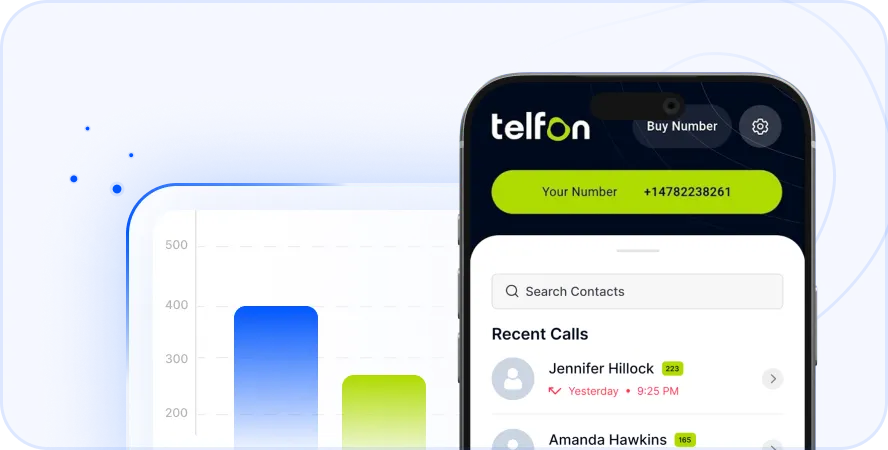
Telfon offers a modern, efficient, and cost-effective way to bridge the communication gap between Spain and Brazil. It moves beyond the limitations and high costs of traditional international calling. As a virtual phone calling app, Telfon provides a robust cloud telephony solution. This makes it ideal for anyone needing reliable international calls Spain Brazil.
Whether you are an individual wanting to connect with loved ones or a business managing international operations, Telfon streamlines your global communication. It leverages virtual numbers to offer seamless connectivity, making the process of “how to call Brazil from Spain” simpler than ever.
Why Choose a Virtual Number for Brazil?
A virtual number Brazil provides a powerful solution for seamless communication. It allows individuals and businesses to establish a local presence without needing a physical office in the country. This offers numerous advantages, particularly when you frequently “call Spain to Brazil”.
Here’s why a virtual number from Telfon is beneficial:
- Local Presence: With a virtual number, your contacts in Brazil can call you at local rates, or even for free if they have an unlimited local calling plan. This removes the barrier of international calling costs for them.
- Cost Savings for You: Instead of paying high per-minute international rates, you can leverage Telfon’s competitive international calling plans through your virtual number.
- Flexibility and Mobility: A virtual number is not tied to a physical location. You can make and receive calls from anywhere in the world using the Telfon app on your smartphone or computer.
- Professional Image: For businesses, a local Brazilian number projects a professional image, suggesting a direct presence in the market. This fosters trust and makes clients more comfortable reaching out.
- Enhanced Features: Virtual numbers often come with advanced features like call forwarding, voicemail-to-text, and call recording, all integrated into the Telfon platform.
- Privacy: You can keep your personal Spanish number private while using a dedicated virtual number for your Brazilian contacts.
Choosing a “virtual number Brazil” through Telfon simplifies international communication. It makes it more accessible and affordable for both the caller and the recipient.
How Telfon Makes International Calls Easy and Affordable
Telfon is designed to simplify and reduce the cost of international calls, making it an excellent “calling Brazil from Spain app”. It offers a comprehensive suite of features that address the common challenges of overseas communication, particularly for those looking to connect with Brazil from Spain.
Here’s how Telfon enhances your international calling experience:
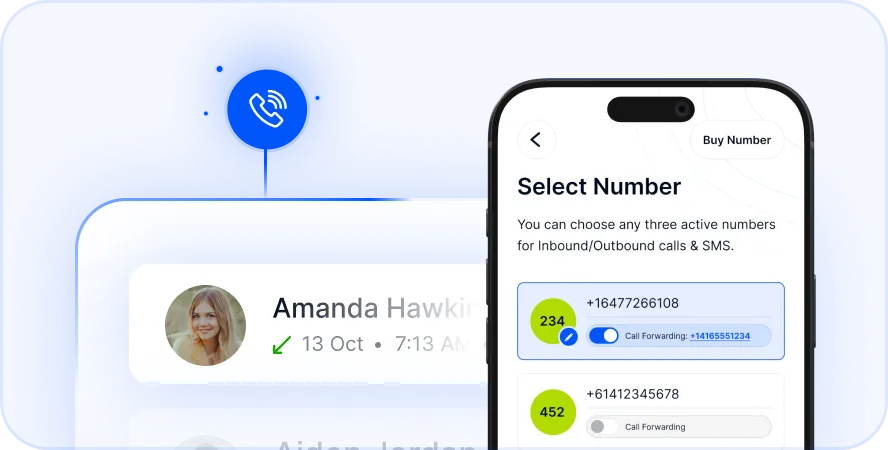
- Virtual Numbers for Global Reach: Easily purchase a virtual number for Brazil or over 100+ other countries. This allows your contacts to call you at local rates, removing their international calling burden.
- Cost-Effective International Calls: Telfon provides competitive rates for making international calls. You significantly reduce your expenses compared to traditional carriers when you “call Spain to Brazil”.
- All-in-One Communication Platform: Beyond just calls, Telfon supports sending and receiving SMS and broadcast messages.
- Multi-Country Numbers Simultaneously: Manage virtual numbers from several countries within a single Telfon account. This is ideal for businesses with a global presence or individuals with contacts in various locations.
- Essential Calling Features: Enjoy features like call recordings, voicemail, voicemail-to-text, and call forwarding. These tools enhance productivity and ensure you never miss an important message.
- User-Friendly Interface: The Telfon app is intuitive and easy to use. This makes it accessible for individuals and businesses alike, ensuring a smooth experience when initiating calls.
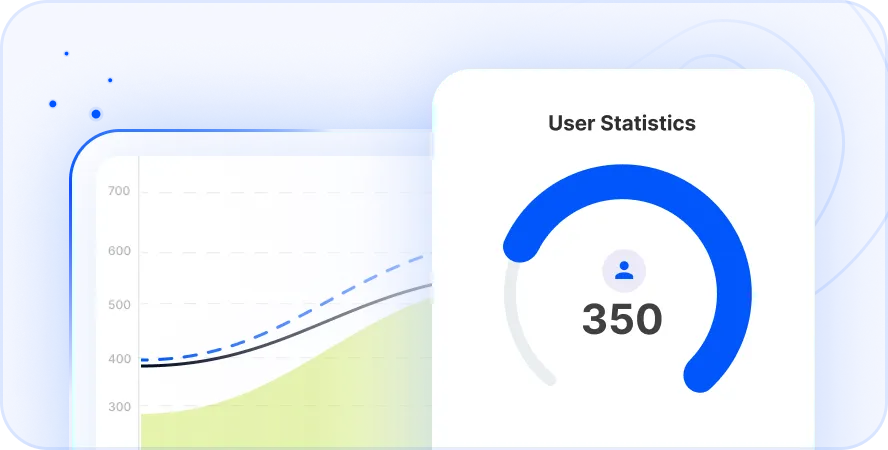
- B2B Focused Analytics: For businesses, Telfon offers user analytics (cards, graphs, charts), dashboard filters, user management, and call/SMS history. These tools provide valuable insights into communication patterns and help manage teams efficiently.
- Budget Management: Assign budgets to users and configure custom messaging services. This allows businesses to control costs and tailor communication strategies.
With Telfon, the process of “how to call Brazil from Spain” transforms from a potentially expensive and complex task into a simple, reliable, and affordable part of your daily communication. It truly stands out as a top cloud telephony solution.
Claim Your Brazilian Virtual Number
Why Connect with Brazil? Personal and Professional Reasons
Brazil holds significant importance for many people in Spain, whether through personal connections or expanding professional ventures. The reasons to communicate are diverse, reflecting the rich tapestry of relationships and opportunities that exist between the two nations. Understanding these motivations highlights the crucial role reliable international calling plays.
Telfon supports all these nomadic connections, ensuring that distance doesn’t hinder your ability to reach out.
Personal Connections
Maintaining personal connections with family and friends in Brazil is a primary reason for many calls from Spain. Brazilians living in Spain often wish to stay in touch with relatives back home. Similarly, Spaniards might have friends or loved ones who have moved to Brazil for work or adventure.
These personal calls strengthen bonds and bridge geographical distances. They allow individuals to share life updates, offer emotional support, and keep cultural ties alive. Regular communication is vital for these relationships to thrive. Whether it’s a quick chat, sharing news, or celebrating milestones, a reliable connection makes all the difference.
Business Opportunities
Brazil presents a dynamic market with abundant business opportunities. Many Spanish companies look to expand their reach into Latin America, and Brazil is often a key target. This leads to a high demand for international calls Spain Brazil for various professional purposes.
- Market Expansion: Businesses frequently call to explore new markets, connect with potential partners, or manage existing client relationships.
- International Hiring: HR personnel and international hiring institutes in Spain rely on clear communication to recruit talent from Brazil or manage cross-border teams.
- Customer Support & Sales: Companies with Brazilian clients need effective channels for customer support, sales inquiries, and marketing campaigns. Telfon’s features like call recording and bulk SMS are invaluable here.
- Logistics & Supply Chain: Managing supply chains and logistics between Spain and Brazil requires constant communication to ensure smooth operations.
Telfon’s B2B features, such as user analytics and phone number management, are particularly beneficial for businesses navigating these international waters. They provide the tools needed to manage communication efficiently and effectively.
Practical Tips for Your Call to Brazil
A little preparation goes a long way when making international calls. Beyond knowing the dialing codes, a few practical tips can help ensure your conversation goes smoothly and without interruption. These small considerations can make a big difference in the quality and effectiveness of your call.
Checking Dialing Codes and Numbers
Before you even pick up the phone, double-check all the numbers you plan to dial. Misdialing can be frustrating and costly.
- Verify the Country Code: Ensure
55for Brazil is correct. - Confirm the Area Code (DDD): Make sure the 2-digit DDD matches the specific city or region of your contact.
- Check the Local Number: Confirm the 8 or 9-digit local number with your contact, paying attention to whether it’s a mobile or landline format.
- Write it Down: Many people find it helpful to write out the full dialing sequence:
Exit Code + Country Code + Area Code + Local Number. This visual aid reduces errors.
Taking a moment to verify each digit can save you time and money, preventing multiple attempts or accidental calls to the wrong number.
Call Quality and Internet Connection
For app-based calling services like Telfon, a stable internet connection is paramount for good call quality. Unlike traditional phone lines, VoIP calls rely on your data connection.
- Strong Wi-Fi: When possible, connect to a strong and reliable Wi-Fi network. This usually provides the best stability and speed for calls.
- Sufficient Mobile Data: If using mobile data, ensure you have a strong 4G or 5G signal. Weak signals can lead to dropped calls, choppy audio, or delays.
- Minimize Background Apps: Close other applications that might be consuming bandwidth on your device. This frees up resources for your call, improving clarity.
- Test Your Connection: Before an important call, consider making a quick test call to ensure your internet connection is stable enough for voice communication.
A stable internet connection is the backbone of high-quality “calling Brazil from Spain app” experiences. Prioritizing it ensures clear, uninterrupted conversations.
Cultural Considerations
When communicating internationally, especially for business, it’s always good practice to be aware of cultural nuances. Brazilians are generally warm and hospitable.
- Politeness and Greetings: Always start with polite greetings. A simple “Olá” (hello) or “Bom dia/tarde/noite” (good morning/afternoon/evening) is appreciated.
- Patience: Brazilians can be quite expressive, and conversations might sometimes involve more interjections or friendly digressions. Patience is key.
- Language: While many Brazilians in business contexts might speak English, it’s always respectful to ask if they prefer to speak in Portuguese or English. If you know a few Portuguese phrases, it can go a long way.
- Formality: For initial business contacts, a slightly more formal tone is appropriate, which can relax as the relationship develops.
Showing respect for cultural differences can enhance your communication and build stronger relationships, whether personal or professional.
Conclusion: Stay Connected with Ease
Calling Brazil from Spain no longer needs to be a daunting or expensive task. By understanding the correct dialing sequence, accounting for time zone differences, and leveraging modern communication tools, you can stay connected effortlessly. Whether for personal chats with loved ones or crucial business discussions, a clear and reliable connection is within reach.
Telfon stands out as a powerful solution, offering virtual numbers for Brazil and a comprehensive suite of features designed to make “international calls Spain Brazil” simple, efficient, and affordable. With capabilities like cost-effective calling, call recording, and robust B2B tools, Telfon truly simplifies global communication.
Don’t let distance create barriers. Embrace the simplicity and affordability that Telfon brings to your international calling needs. Start connecting with Brazil today with confidence and ease.
Frequently Asked Questions
Q: What is the cheapest way to call Brazil from Spain?
A: The cheapest way generally involves using VoIP services or specialized international calling apps like Telfon. These services often offer significantly lower per-minute rates or unlimited calling plans compared to traditional mobile or landline carriers.
Q: Do I need an international calling plan to call Brazil?
A: Not necessarily. While some traditional mobile carriers offer international calling plans, many modern users opt for virtual phone systems or apps like Telfon. These alternatives often provide more flexible and cost-effective solutions without the need for a specific carrier plan.
Q: How do time zones affect calling Brazil from Spain?
A: Brazil has several time zones, with most major cities observing Brasília Standard Time (UTC-3). Spain observes Central European Time (UTC+1 or UTC+2 during daylight saving). This means Brazil is typically 4 to 5 hours behind Spain. You must adjust your calling time to avoid calling too early or too late in Brazil.
Q: Is a virtual number necessary for frequent calls to Brazil?
A: While not strictly “necessary” for every call, a virtual number Brazil (like those offered by Telfon) is highly beneficial for frequent callers or businesses. It provides a local presence for your Brazilian contacts, potentially reducing their call costs, and offers you more competitive rates and advanced features for managing your communication.