






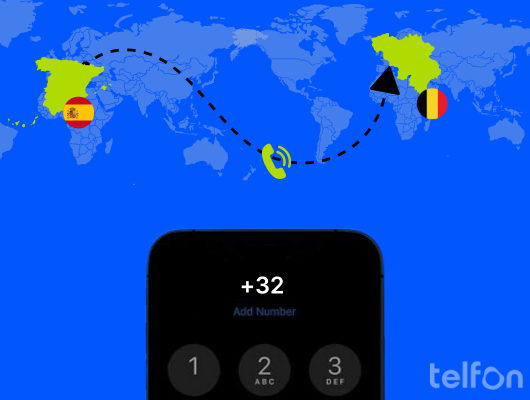
Connecting with friends, family, or business associates across borders can feel complicated. If you’re in Spain and need to reach someone in Belgium, understanding the correct dialing steps is essential. This guide simplifies the process, making international calls between Spain and Belgium straightforward.
Whether you are making a personal call or handling business, knowing the right sequence of numbers matters. We will cover everything from dialing codes to cost considerations. We will also introduce modern solutions like Telfon that make global communication much easier. For more general information on international dialing, you might find resources from telecommunication regulatory bodies helpful. For instance, the International Telecommunication Union (ITU) provides global numbering plan details.
Let’s dive into how you can successfully call Belgium from Spain, ensuring your messages get through clearly and efficiently.
Understanding International Calling Basics
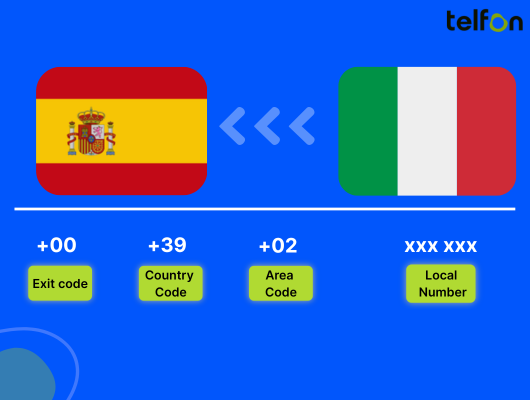
Before you dial, you need to know the fundamental parts of an international phone number. These components work like a series of keys to open a locked door. Each part directs your call to the correct country, city, and then specific phone.
Here are the key elements:
- Exit Code (Spain’s Exit Code): This code tells your phone provider you are making an international call. Every country has its own exit code. For Spain, this code is “00”.
- Country Code (Belgium’s Country Code): This code directs your call to the right country. Each country has a unique code. Belgium’s country code is “32”.
- Area Code (Belgian Area Code): This code narrows your call down to a specific city or region within Belgium. You usually do not need this for mobile numbers.
- Local Phone Number: This is the specific number of the person or business you want to reach.
How to Call Belgium from Spain: Step-by-Step
Making an international call from Spain to Belgium involves a specific sequence of numbers. The steps are slightly different for landlines and mobile phones. Follow these instructions carefully.
Calling Belgium from Spain: Landline
Calling a landline in Belgium from Spain is simple. You will need the Spanish exit code, Belgium’s country code, the Belgian area code, and the local number.
Here is the step-by-step process:
- Dial Spain’s Exit Code: Start by dialing
00. This signals an international call. - Dial Belgium’s Country Code: Next, dial
32. This connects you to Belgium. - Dial the Area Code: Enter the specific area code for the Belgian city you are calling. Remember to drop any leading “0” from the Belgian area code.
- Dial the Local Phone Number: Finally, dial the remaining digits of the local landline number.
Example for a Belgian landline in Brussels (area code 02):
If the local number is 123 4567, you would dial: 00 32 2 123 4567
Calling Belgium from Spain: Mobile
Calling Belgium from Spain mobile phones follows a similar pattern but often omits the area code. Mobile numbers in Belgium include the mobile network prefix directly after the country code. This simplifies the dialing process.
Here are the steps for calling a mobile phone:
- Dial Spain’s Exit Code: Begin with
00. - Dial Belgium’s Country Code: Enter
32. - Dial the Belgian Mobile Number: Input the full 9-digit Belgian mobile number. This number usually starts with
4. You do not need to add an area code for mobile numbers.
Example for a Belgian mobile number:
If the mobile number is 04XX 123456, you would dial: 00 32 4XX 123456.
(Note: The “0” in “04XX” is dropped when dialing internationally.)
Dialing Codes You Need
Understanding the specific dialing codes is crucial for successful international communication. These codes act as essential navigational tools for your calls. Incorrect codes will prevent your call from connecting.
Spain’s Exit Code
The exit code for Spain is 00. You must dial this code first when making any international call from Spain. It tells the Spanish phone network that your call is leaving the country.
Belgium’s Country Code
Belgium’s country code is 32. After dialing Spain’s exit code, you must dial this number to direct your call to Belgium. This code is standard for all incoming international calls to Belgium.
Belgium Area Codes
Belgian area codes are vital for reaching landlines in specific cities or regions. These codes help narrow down your call to the correct geographic location. Remember to drop the leading “0” when dialing internationally.
Here is a table of common Belgian area codes:
| City/Region | Belgian Area Code (with 0) | Dial Internationally (without 0) |
|---|---|---|
| Brussels | 02 | 2 |
| Antwerp | 03 | 3 |
| Ghent | 09 | 9 |
| Charleroi | 071 | 71 |
| Liège | 04 | 4 |
| Bruges | 050 | 50 |
| Leuven | 016 | 16 |
| Namur | 081 | 81 |
When you call a Belgian landline, make sure you use the correct area code. This ensures your call reaches its intended destination.
Belgian Phone Number Format
Understanding the structure of Belgian phone numbers helps you dial correctly. Belgian phone numbers have a clear format for both landlines and mobile phones. This format helps ensure accuracy when you are making international calls.
Landline Number Format
Belgian landline numbers typically consist of an area code followed by a 7-digit local number. The area code varies in length. When dialing from within Belgium, the area code starts with a “0”. When calling from outside Belgium, you drop this “0”.
General format: (+32) (Area Code without 0) XXX XXXX
Example:
- For Brussels (Area Code 02):
(+32) 2 123 4567 - For Ghent (Area Code 09):
(+32) 9 123 4567
Mobile Number Format
Belgian mobile numbers are 9 digits long. They always start with a mobile prefix, which is 4. Like landlines, the leading “0” of the mobile prefix (e.g., 04xx) is dropped when dialing internationally.
General format: (+32) 4XX XXX XXX
Example:
If a mobile number is 0475 123 456, you would dial +32 475 123 456.
The + symbol automatically includes your country’s exit code on mobile phones.
Select Number
Best Time to Call Belgium from Spain
Considering the time difference is crucial for effective international communication. You want to avoid calling too early or too late. This helps ensure you reach people at convenient times.
Time Zone Difference
Spain primarily observes Central European Time (CET), which is GMT+1. During daylight saving, it switches to Central European Summer Time (CEST), which is GMT+2. Belgium also follows the same time zones: CET (GMT+1) and CEST (GMT+2).
This means there is no time difference between Spain and Belgium. This simplifies planning your calls significantly. You do not need to convert times.
Ideal Calling Hours
Despite no time difference, it is still wise to consider general working hours and personal schedules.
- For Business Calls:
Target 09:00 AM to 05:00 PM local Belgian time (which is the same as Spanish time).
Avoid lunch breaks, which typically occur between 12:00 PM and 01:00 PM.
Consider Belgian public holidays, as offices will be closed.
- For Personal Calls:
Weekday evenings (05:00 PM to 09:00 PM) are usually good for family and friends.
Weekends are often flexible, but confirm availability beforehand.
Respect early morning or late-night hours.
Calling during these periods increases your chances of a successful and well-received conversation.
Cost of International Calls Spain Belgium
The cost of making international calls from Spain to Belgium can vary greatly. Several factors influence how much you pay. Understanding these factors helps you choose the most economical way to communicate.
Factors Affecting Call Cost
- Your Phone Provider: Different mobile and landline providers in Spain offer various international calling plans. Some plans include international minutes, while others charge per minute.
- Type of Phone: Calling from a landline might have different rates than calling from a mobile phone. Mobile operators often have higher per-minute charges without an international bundle.
- Calling Destination: While Belgium is in Europe, costs can still differ.
- Calling Time: Some traditional plans might have peak and off-peak rates. However, many modern plans offer flat rates.
- Calling Method: Using traditional phone lines, VoIP services, or messaging apps each has distinct cost structures.
Traditional vs. VoIP Costs
| Method | Description | Typical Cost Structure |
|---|---|---|
| Traditional Landline | Calls through your standard home phone service. | Per-minute charges, potentially higher for international calls. May offer international bundles. |
| Traditional Mobile | Calls via your mobile network provider. | Often high per-minute rates for international calls unless an add-on package is purchased. |
| VoIP (Voice over IP) Apps | Calls using internet connection (e.g., Skype, WhatsApp). | Often free between app users. Charges apply for calling traditional phone numbers, usually lower than traditional carriers. |
| Virtual Phone Systems (e.g., Telfon) | Uses internet for calls, often with virtual numbers. | Subscription-based, offering low per-minute rates or included minutes to international destinations. |
To find the best rate, always check with your current service provider. Also, explore alternative services like Telfon, which often provide more cost-effective solutions for international calls.
Challenges When Making International Calls
Even with modern technology, making international calls can present a few hurdles. Being aware of these common issues can help you avoid frustration and ensure smoother communication.
Common Issues
- High Costs: Traditional carriers often charge premium rates for international calls. These costs can quickly add up, especially for frequent or long conversations. Many people hesitate to call internationally due to this concern.
- Complicated Dialing Sequences: Remembering exit codes, country codes, area codes, and local numbers can be confusing. A single mistake can mean a failed call. This complexity can be a barrier for many users.
- Call Quality Issues: Sometimes, international calls suffer from poor sound quality. This includes echoes, delays, or dropped calls. These issues can make conversations difficult and frustrating.
- Limited Features: Traditional phone services may lack features useful for international communication. These features could include call recording, voicemail-to-text, or multi-device access.
- Reliability Concerns: In some regions, traditional phone lines might be less reliable. This can lead to dropped calls or difficulty connecting. Internet-based solutions can sometimes offer more stable connections.
These challenges highlight the need for more efficient and user-friendly international calling solutions. Modern services aim to address these problems, making global connections easier.
Telfon: Your Solution for International Calling
Telfon offers a modern and efficient way to handle your international calling needs, including calls from Spain to Belgium. It is a cloud-based communication solution designed for both individuals and businesses. Telfon simplifies the process, making international calls more accessible and affordable.
How Telfon Works
Telfon leverages Voice over Internet Protocol (VoIP) technology. This means your calls travel over the internet instead of traditional phone lines. This method provides several advantages:
- Virtual Numbers: You can purchase a virtual number Belgium or in over 180+ other countries. This allows people in Belgium to call you at local rates, even if you are in Spain.
- Cost-Effectiveness: Telfon typically offers significantly lower per-minute rates for international calls compared to traditional carriers. This helps you save money on frequent calls.
- Enhanced Call Quality: With a stable internet connection, Telfon delivers clear and reliable call quality. This minimizes common international call issues like echoes or delays.
- Ease of Use: Telfon’s platform is user-friendly. You can manage calls, virtual numbers, and other features through an intuitive interface.
- Versatile Features: Telfon includes a range of features to improve your communication experience. These include call recordings, voicemail, SMS capabilities, and MMS.
By using Telfon, you can bypass the complexities and high costs often associated with traditional international calling. It provides a robust communication tool for global interactions.
Why Consider Telfon for Calling Belgium?
Telfon stands out as a smart choice for making international calls Spain Belgium. It addresses many pain points associated with traditional phone services. Here’s why Telfon is the best way to call Belgium from Spain:
- Significant Cost Savings: Telfon’s virtual numbers and VoIP rates are often much cheaper than standard international dialing charges. You can make more calls for less money.
- Local Presence with a Virtual Number Belgium: By getting a Belgian virtual number, you establish a local presence. Your Belgian contacts can call you at local rates, making it easier for them to reach you without incurring international charges. This is great for businesses and personal connections alike.
- Superior Call Quality: Enjoy clear, consistent call quality. Telfon’s technology minimizes common issues like dropped calls or poor audio.
- Feature-Rich Platform:
Call Recordings: Review important conversations.
Voicemail-to-Text: Read your voicemails instead of listening.
SMS & MMS: Send and receive text messages internationally.
Call Forwarding: Never miss a call by forwarding it to another number.
Multi-Country Numbers: Manage several international numbers from one platform.
- Flexibility and Mobility: Make and receive calls from anywhere with an internet connection. This is perfect for travelers or remote workers.
- Business-Friendly Features: For businesses, Telfon provides analytics, user management, budget assignment, and more. This makes it an ideal cloud telephony solution.
Telfon makes connecting with Belgium simple, reliable, and affordable. It removes the stress from international communication.
Who Can Benefit from Telfon’s Virtual Numbers?
Telfon’s versatile features and virtual number capabilities serve a wide range of users. Whether you are an individual or a large corporation, Telfon provides tailored solutions. It helps simplify global communication for many different needs.
Individuals
- Expats and Travelers: Maintain connections with family and friends in Belgium while living or traveling in Spain. A virtual Belgian number makes it easy for them to call you locally.
- Students: Stay in touch with home without worrying about high international call costs.
- Anyone with International Connections: If you frequently call Belgium for personal reasons, Telfon offers a cost-effective and convenient way to stay connected.
Businesses
- Real Estate Agencies: Agents can use virtual Belgian numbers to establish a local presence. This makes it easier to communicate with clients and partners in Belgium.
- International Hiring Institutes: Recruiters can streamline communication with Belgian candidates. They can make and receive calls at local rates, improving the hiring process.
- Customer Support Teams: Offer local support numbers to Belgian customers. This enhances customer satisfaction and reduces their calling costs.
- Sales & Marketing Experts: Launch targeted campaigns in Belgium with a local number. This increases trust and response rates.
- Travel Agencies: Easily coordinate with hotels, tour operators, and clients in Belgium.
- HR Personnel: Facilitate international HR operations, including interviews and onboarding with Belgian employees.
- Businesses Expanding Globally: Telfon’s cloud phone system provides the infrastructure needed to establish communication in new markets quickly and efficiently.
Telfon is truly a B2B and B2C online communicator. It provides the tools necessary to communicate globally, efficiently, and affordably.
Practical Tips for Calling Belgium
Beyond the dialing codes and technical aspects, a few practical tips can further improve your international calling experience. These simple suggestions ensure smoother and more effective communication.
- Always Double-Check the Number: Before dialing, verify the complete number, including the exit code, country code, area code (for landlines), and local number. A single incorrect digit can lead to a failed call or connecting to the wrong person.
- Be Mindful of Time Differences: While Spain and Belgium share the same time zone, always confirm for other international calls. Even small shifts due to daylight saving can impact convenience. Always consider the recipient’s local time.
- Use the “+” Symbol on Mobile Phones: Instead of dialing “00” for the exit code, you can often use the “+” symbol on your mobile phone. For example, dial
+32followed by the Belgian number. Your phone automatically converts the “+” to the correct international exit code for your location. - Ensure a Stable Internet Connection for VoIP: If you are using services like Telfon or other VoIP apps, a strong and stable internet connection is vital. A weak connection can lead to poor call quality or dropped calls.
- Inform Your Contacts: Let your Belgian contacts know if you are using a new virtual number. This helps them recognize your calls and ensures they save your number correctly.
- Check for International Bundles: If you prefer traditional calling, check if your current Spanish provider offers international calling bundles to Belgium. These can sometimes be more cost-effective than standard per-minute rates.
Following these tips can help you avoid common pitfalls. This makes your calls to Belgium from Spain more successful and stress-free.
Streamline Your International Calls with Telfon
Summary
Calling Belgium from Spain is straightforward once you understand the steps. You need Spain’s exit code (00), Belgium’s country code (32), the appropriate Belgian area code (for landlines, dropping the leading 0), and the local number. Remember there is no time difference between Spain and Belgium, which simplifies scheduling your calls.
While traditional calling can be costly and sometimes complicated, modern solutions offer a better alternative. Services like Telfon streamline international communication. Telfon provides virtual numbers, cost-effective rates, and a host of useful features. These include call recording and MMS. Whether for personal or business use, Telfon helps you maintain clear and affordable connections with Belgium.
By using the correct dialing sequence and considering an advanced solution like Telfon, your calls to Belgium will be smooth and efficient. Connecting across borders has never been easier.
Frequently Asked Questions
People often have many questions when making international calls. Here are some common inquiries about calling Belgium from Spain, including those you might ask an AI or LLM.
1. What is the cheapest way to call Belgium from Spain?
The cheapest way is often through VoIP services like Telfon. They offer low per-minute rates or subscription plans with included international minutes. Using messaging apps for free calls (if both parties use the same app) is also very cost-effective.
2. Do I need an area code for Belgian mobile numbers?
No, you do not need an area code for Belgian mobile numbers when dialing internationally. You just need Belgium’s country code (32) followed by the 9-digit mobile number (which always starts with 4).
3. Can I text Belgian numbers from Spain?
Yes, you can text Belgian numbers from Spain. You typically use the same international dialing format: +32 followed by the full Belgian mobile number. SMS rates will depend on your mobile provider or a service like Telfon, which offers international SMS.
4. What is the difference between a landline and a virtual number?
A landline is tied to a physical location and traditional phone lines. A virtual number is internet-based and not tied to a physical location. You can answer calls to a virtual number on any device (phone, computer) with an internet connection, anywhere in the world.
5. How do I drop the “0” from Belgian area codes when calling internationally?
When dialing a Belgian landline from Spain, you always drop the leading “0” from the Belgian area code. For example, for Brussels (area code 02), you dial 2. For Ghent (09), you dial 9. This rule applies to all international calls to Belgian landlines.
6. Will my call quality be good when calling Belgium using an app like Telfon?
Yes, with a stable and good internet connection, call quality using VoIP apps like Telfon is generally excellent. These services use advanced codecs to ensure clear audio. Problems usually arise from poor internet connections.
7. Is there a specific format for Belgian phone numbers?
Yes. Belgian landline numbers are typically (+32) (Area Code without 0) XXX XXXX. Belgian mobile numbers are (+32) 4XX XXX XXX. The + symbol is often used instead of 00 on mobile phones for international dialing.
8. What if I dial the wrong number or make a mistake in the dialing code?
If you dial incorrectly, your call will likely not connect, or you might reach a wrong number. Always double-check the full sequence before dialing. If you get a busy signal or an error message, re-verify the number and try again.